
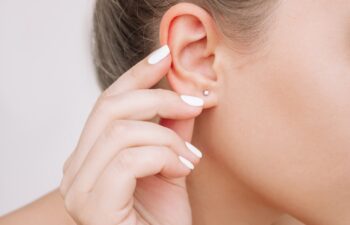
If you notice a bump near your piercing that keeps growing, feels firm, or spreads past the piercing hole, it might be time to ask about ear keloid removal. Sometimes a piercing bump is just irritation or a sign your skin’s having trouble healing. A true ear keloid is scar tissue, not a pimple, and usually needs a professional to take a look.
At International Keloid & Scar Treatment Center in Orlando, we treat keloids after piercings and tattoos with a plan that fits your scar, your skin, and your risk of it coming back.
Is It a Piercing Bump or an Ear Keloid?
A regular piercing bump can show up from irritation, infection, pressure from jewelry, or slow healing. A keloid after ear piercing acts differently. It can keep growing long after your piercing should be healed, and sometimes ear keloids take months to show up.
You should schedule an evaluation if you notice:
- The bump keeps growing weeks or months after the piercing
- The tissue feels firm, rubbery, itchy, or tender
- The scar spreads beyond the original piercing hole
- The bump sits on the earlobe, cartilage, or behind the ear
Don’t try to pop or cut a suspected ear keloid. Since keloids are made of scar tissue, trying to remove them at home can hurt your skin and make treatment tougher later.
When Should You Ask About Ear Keloid Removal?
You can ask about ear keloid removal if the bump keeps growing, feels uncomfortable, gets in the way of wearing earrings, or makes you self-conscious about your ear. You don’t have to wait until it gets big or painful to get help.
We start by looking at your scar, since the right plan depends on whether you have an earlobe keloid, a cartilage keloid, irritation from jewelry, or something else. This first look helps us tell the difference between a small irritation bump and a true keloid, so we can recommend what makes sense for you.
How Can Treatment Reduce the Risk of Recurrence?
Ear keloid removal usually takes more planning than just taking out the raised scar. Since keloids can come back, we look at your risk before recommending treatment.
Dr. Kenrick Spence, a board-certified plastic surgeon in Orlando, reviews options such as corticosteroid injections, surgical removal, laser treatment, superficial radiation therapy, or follow-up care depending on your scar. The American Academy of Dermatology notes that pressure earrings may help prevent an earlobe keloid from returning, and post-removal care can be an important part of keloid treatment.
For some scars, ear keloid removal may mean careful removal and a plan to help keep it from coming back. If superficial radiation therapy is right for you, we’ll talk about how SRT-100+™ can support your treatment after removal.
FAQ About Ear Keloid Removal
Can an ear keloid go away on its own?
Usually, no. An ear keloid may stop growing, but it generally doesn’t disappear without treatment.
Can an ear keloid come back after removal?
Yes. Keloids can come back after ear keloid removal, so we may recommend follow-up care once the scar is gone.
Should I repierce my ear after keloid treatment?
Ask us before you repierce. If your skin forms keloids easily, another piercing could trigger new scar tissue.
Talk With an Ear Keloid Specialist in Orlando
If you’re dealing with a raised scar after a piercing, we can take a look and walk you through which treatment options fit your scar. Schedule a consultation with Dr. Spence at International Keloid & Scar Treatment Center in Orlando, FL, to talk about ear keloid removal and a treatment plan that’s focused on keeping it from coming back.
Posted on behalf of
130 Hillcrest St
Orlando, FL 32801
Phone: (833) 653-8043
Mon - Fri: 8:30AM - 5:30PMSat - Sun: Closed


